How Autism Spectrum Disorder Affects a Child’s
Growth, Learning, and Development.
As they grow, Children reach “developmental milestones” in how they play, learn, speak, act, and move (crawling, walking, etc.).
Autism Spectrum Disorder (ASD) is a developmental disability that can cause delayed or missed milestones. Although the reasons of these brain structure/function abnormalities are unknown, scientists have found genetic links passed down from parents.
To be diagnosed with Autism Spectrum Disorder, an individual must meet all three core criteria related to communication, social interaction, and behavior patterns, as defined by clinical guidelines.
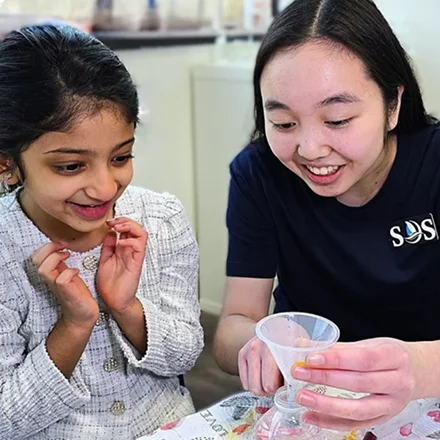

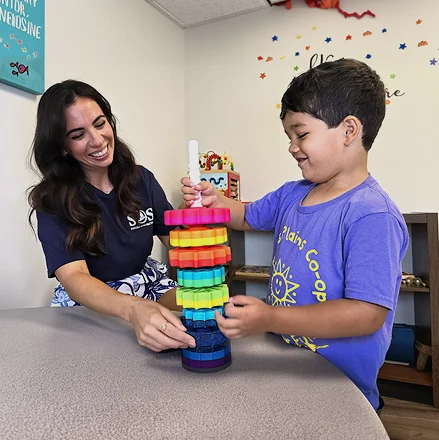
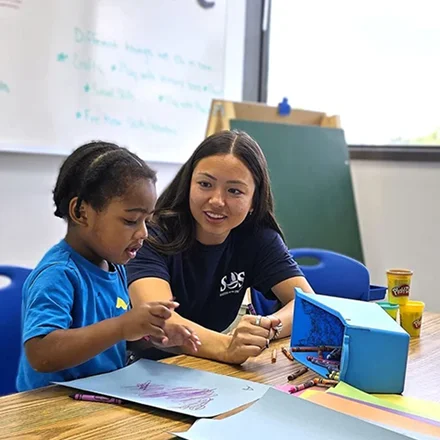
Autism Spectrum Disorder (ASD) is a developmental disability with no cure. No one can “outgrow” it. If left untreated, Autism symptoms can result in the inability to keep a job or maintain relationships. Destructive or self-injurious behaviors prevent independent living. Fortunately, most Autism symptoms can be treated with ABA Therapy.

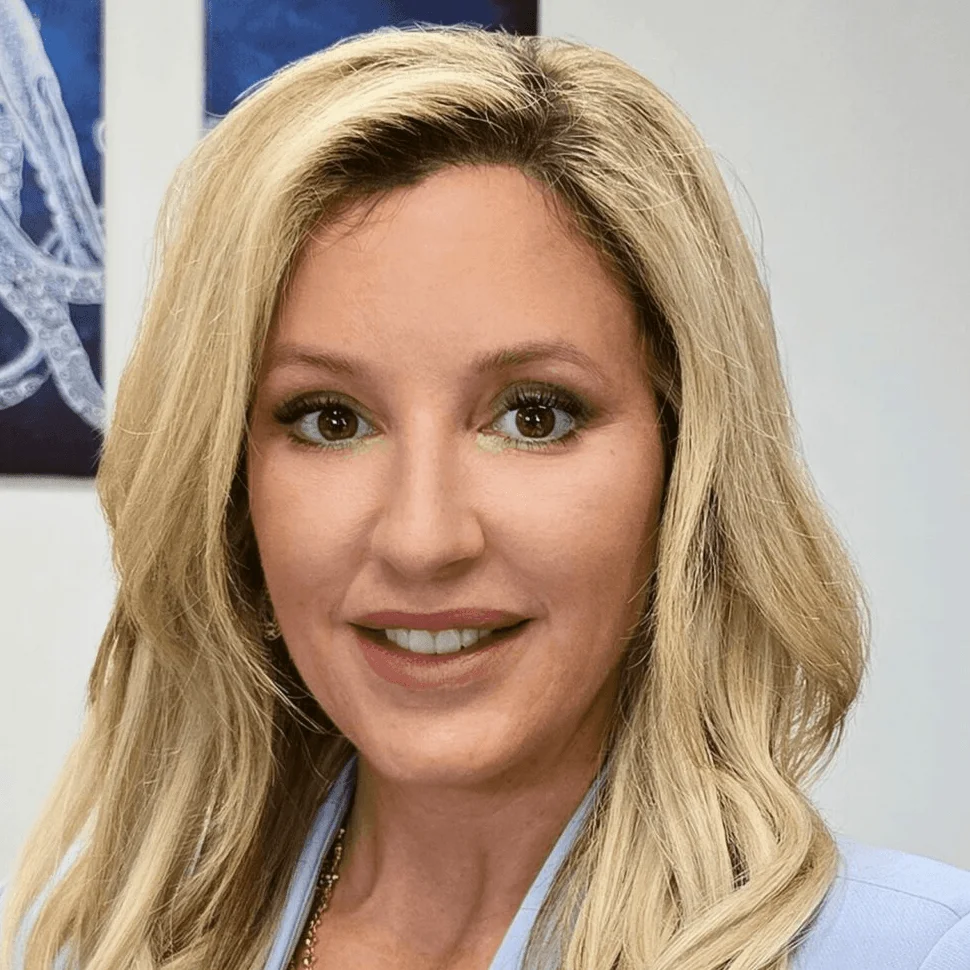
Founder of Success On The Spectrum (SOS)
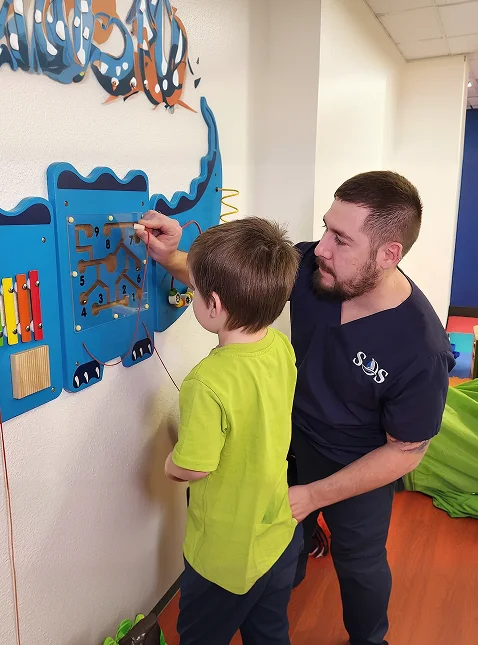
Success On The Spectrum® offers a one-stop solution for autism services, bringing ABA, speech, occupational therapy, and social skills programs under one roof. This integrated approach ensures better coordination, faster progress, and greater convenience for families.

Tired of waiting to get an Autism Diagnosis? Success On The Spectrum has partnered with Joshua Health to help you get an Autism Diagnostic test without the wait!

ABA therapy is the gold standard for autism, improving communication, learning, play, behavior, social interaction, motor development, and daily living skills.

Speech-language therapy helps children improve verbal, nonverbal, and social communication skills, making everyday interactions more functional, meaningful, and effective.

Occupational therapy (OT) helps children to become more independent and participate in a wide range of activities.

Success On The Spectrum offers group social skills classes to help children build friendships, confidence, communication, and meaningful social connections.